Basketball plyometric drills
Plyometric drills sized for youth players, each with a video clip, steps and a number to track.
How coaches assign drills- 14 drills
- All with no partner needed
- Every drill has a video clip
- 5–10 minutes each
14 basketball plyometric drills
 Plyometrics1:18
Pogo Jumps
FixesSlow, heavy, flat-footed jumps
- 6 min
- Ages 8–18
3 sets of 15 seconds (about 100 hops in all) with 1 minute rest, 2 days a week with a rest day between
 Plyometrics1:10
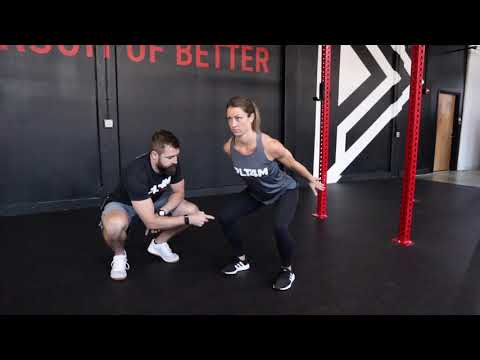
Snap Down and Stick
FixesStiff, loud landings and knees that cave in
- 5 min
- Ages 8–18
2 sets of 5 with 1 minute rest, 2 days a week; also a good warm-up before other jumps
 Plyometrics0:21
Squat Jumps
FixesLow jumps and hard, wobbly landings
- 8 min
- Ages 9–18
3 sets of 5 jumps with 1 minute rest, 2 days a week with a rest day between
 Plyometrics1:05
Standing Broad Jump
FixesSlow first steps and jumps without much pop
- 10 min
- Ages 8–18
6 jumps (2 easy practice jumps, then 4 measured) with 30–60 seconds rest between, 2 days a week with a rest day between
 Plyometrics1:00
Lateral Line Hops
FixesSlow, heavy feet when moving side to side
- 6 min
- Ages 8–18
3 rounds of 15 seconds (about 100 hops in all) with 1 minute rest between, 2 days a week with a rest day between
 Plyometrics0:37
Skater Bounds
FixesA weak push to the side and wobbly one-leg landings
- 8 min
- Ages 10–18
3 sets of 6 bounds (3 each way) with 1 minute rest between sets, 2 days a week with a rest day between
 Plyometrics1:19
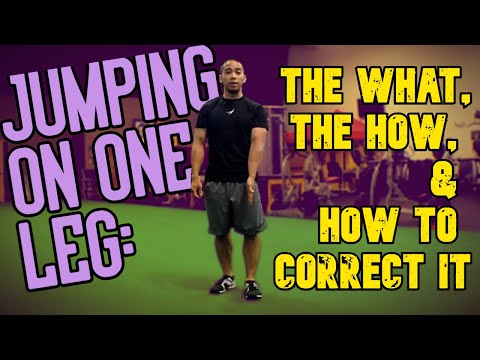
Single-Leg Hop and Stick
FixesWobbly one-foot landings and knees that cave in
- 8 min
- Ages 9–18
2 rounds of 5 hops on each leg (20 hops), 2 days a week with a rest day between
 Plyometrics1:20
Tuck Jumps
FixesLow jumps and loud, stiff landings
- 8 min
- Ages 10–18
2 sets of 6 tuck jumps (12 jumps) with a reset after each jump and 1 minute of rest between sets, 2 days a week with a rest day between
 Plyometrics0:56
Box Jumps
FixesSlow, weak jumps and stiff, noisy landings
- 8 min
- Ages 11–18
2 sets of 5 box jumps (10 jumps) with 1 minute of rest between sets, 2 days a week with a rest day between
 Plyometrics0:49
Kneeling Jumps
FixesSlow, clumsy get-ups after a dive or fall
- 6 min
- Ages 10–18
2 sets of 5 with 1 minute rest, 2 days a week with a rest day between. Not there yet? Pop up from half kneeling (one foot in front) until you can.
 Plyometrics0:48
Get Up Sprints
FixesSlow get-ups after a dive, slide or fall
- 6 min
- Ages 8–18
6 short sprints (2 face down, 2 on your back, 2 on your side) with about 30 seconds rest, 2 days a week with a rest day between
 Plyometrics1:25
Jump Turns (90 and 180)
FixesWobbly, off-balance landings after turning
- 6 min
- Ages 9–18
6 quarter turns, 1 minute rest, then 6 half turns, switching directions each jump, 2 days a week with a rest day between. Stay on quarter turns until those landings are steady.
 Plyometrics1:01
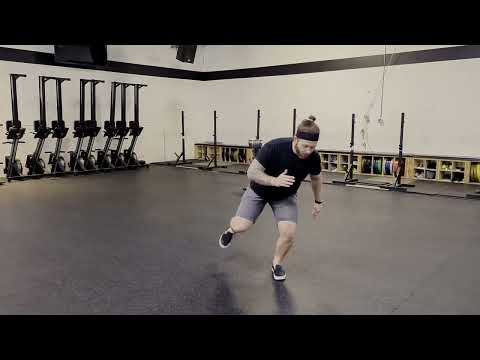
Single-Leg Lateral Hop and Stick
FixesWobbly one-leg landings when moving side to side
- 8 min
- Ages 10–18
2 rounds of 6 hops on each foot (24 hops) with 1 minute rest between rounds, 2 days a week with a rest day between
 Plyometrics1:26
Split Squat Jumps
FixesWeak single-leg push and hard, wobbly landings
- 8 min
- Ages 12–18
2 sets of 8 jumps (4 with each foot landing in front) with 1 minute rest between, one jump at a time; 2 days a week with a rest day between
How to use these basketball plyometric drills
What plyometric drills work on
- Jumping higher and getting off the floor faster for rebounds, blocks and finishes.
- Getting up fast after a dive or a fall, and turning to make the next play.
- Landing softly with knees over toes, which protects knees and ankles.
- Quick, springy ankles and a stronger push off the ground.
Where to start
- Start with pogo jumps and snap downs to learn quiet landings.
- Add squat jumps, the broad jump, line hops, get up sprints and jump turns once landings are steady.
- Save skater bounds, single-leg hops, kneeling jumps, tuck jumps, split squat jumps and box jumps for when the basics look easy.
- These drills work in every sport. See them all on one page: plyometric exercises for kids.
How often
- 2 days a week, with a rest day between.
- About 50–100 jumps in a session for beginners. Count every landing.
- Stop the set when landings get loud or knees cave in.
Wear sneakers and jump on grass, a gym floor or a rubber mat. Quality beats quantity: every jump should look the same as the first.
Basketball plyometric drills FAQ
Do plyometrics help you jump higher in basketball?
Yes. Over a few weeks, jumps like squat jumps, tuck jumps and box jumps teach your legs to push off harder and faster. Track your broad jump to see it.
Are plyometrics safe for kids?
Yes, when the jumps are low, the number of jumps is small and landings come first. Youth strength coaches use them from about age 8. Start with pogo jumps and snap downs, and rest a day between sessions.
How often should young athletes do plyometrics?
Two days a week with a rest day between is plenty. A beginner session is about 50–100 jumps, and it can be a 10-minute add-on to practice or a warm-up.
More basketball drills by skill
- Basketball ball handling drills8 drills
Stationary dribbling, crossovers, between the legs, behind the back and two-ball work. All you need is a ball and a smooth floor.
- Individual basketball shooting drills6 drills
Form shooting close to the rim, free throws, catch and shoot, pull-ups and a 50-shot tracking drill. A lying down drill works on form with no hoop.
- Basketball finishing drills5 drills
Layup footwork on both sides, left-handed layups, reverse layups, the euro step and the floater.
- Basketball passing drills at home3 drills
Chest passes, bounce passes and one-hand passes off the dribble against a wall or with a partner.
- Basketball footwork drills2 drills
Jump stops, pivots, the triple threat position and the jab step. No hoop needed.
- Basketball defense drills at home3 drills
The defensive stance, defensive slides and a mirror drill with a partner.
- Basketball rebounding drills at home1 drill
Toss the ball off the backboard and catch it at the top of your jump with two hands.
- Basketball conditioning drills2 drills
Line sprints and jump rope for quick feet and the legs to last a whole game.
Assign basketball drills to your team
Use the drills in this library or make your own. Coaches assign them as homework between practices, and players open each drill on their phone, do it and check in when they finish.
Get the Bravara app- 01
Pick drills or make your own
Start from the basketball drills in this library, copy one and change it, or write your own with steps, a YouTube video, your own photos and videos or a link to read. Then assign it to the whole team or to certain players and set how many days a week.
- 02
Players do them at home
Players open the drill on their phone, watch the video or read the steps, do the drill and check in when they finish. They can upload a video of their work too.
- 03
Players log a result
A drill can have one result to track, like strikes out of 30. Results stay private to the player and their family, and players earn XP and levels as they keep checking in.
- 04
The coach sees who did it
Coaches see who has checked in on each drill and can react or reply to a player's check-in.
Assign basketball plyometric drills with Bravara Reps
Coaches assign drills to the team or to certain players. Players check in from home, log a result and earn XP as they go.